
what does blood sugar have to do with it?
To get started I would like to explain blood sugar levels, and what that means. Blood sugar (or glucose) is the bodies primary energy source, mostly coming from carbohydrates in our foods. Insulin is what helps to regulate the blood sugar levels in our blood, preventing them from being too high or low. When blood sugar levels are too high and stay that way (hyperglycemia) it can cause you to feel an urgency to urinate, increased hunger or thirst, feeling groggy or tired, and sometimes have weight loss. (In individuals with diabetes and other related conditions) If gone unchecked it can cause damage to organs and nerves in the body and leave you susceptible to infections. You can also become insulin resistant.
Insulin resistance explained
Insulin Resistance: What It Is, Causes, Symptoms & Treatment
On the other side of that is having low blood sugar levels (hypoglycemia). If you’ve ever had one of those days where you’re moving a million miles a minute and missed lunch and you notice that you’re feeling a little shaky or sick to your stomach, than you’ve experienced low blood sugar. If it’s severe or in people who have conditions that effect blood sugar levels (like diabetes), you may experience much more severe symptoms such as a rapid heartbeat, sweating and chills, weakness etc. If you have experienced these symptoms regularly and have never had your blood sugar levels checked I would definitely recommend seeing your doctor and asking for an A1C test.
low blood sugar (Hypoglycemia)
blood sugar rollercoaster
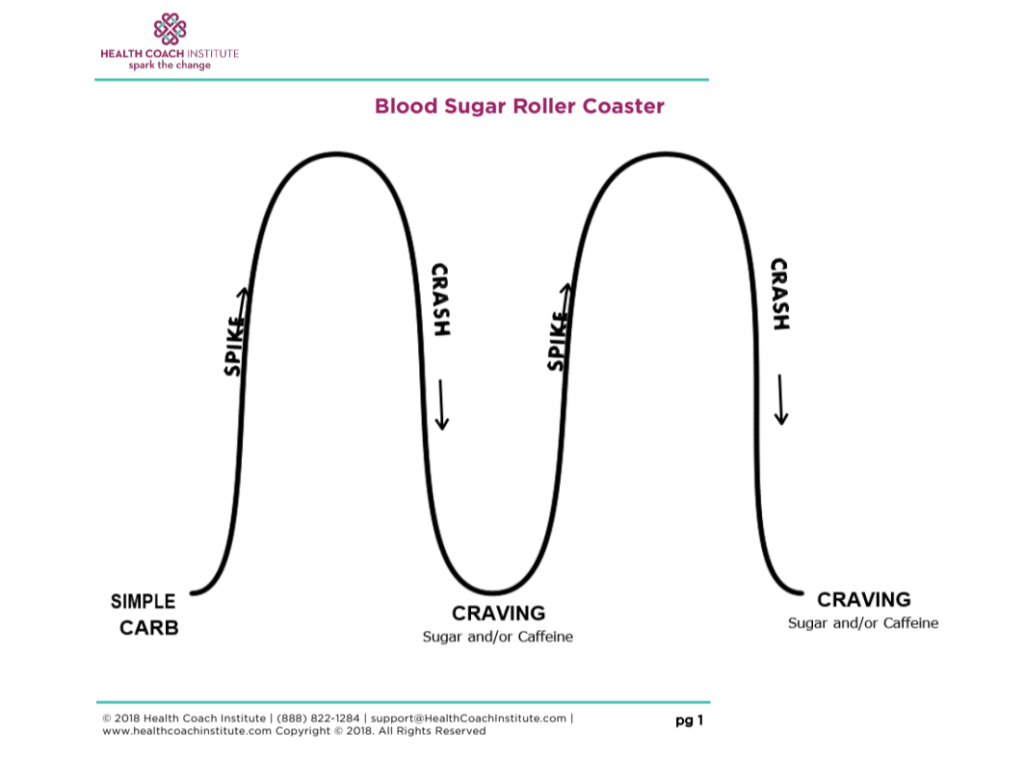
For the rest of us, while not life threatening, constant low/high blood sugar levels can still wreak havoc on our health and metabolism. Low blood sugar (usually caused by skipping meals or not eating the right foods to begin with) leads to cravings for simple carbs and sugars. This will then spike blood sugar levels high, and force our bodies to release insulin in higher levels to combat this. After large amounts of insulin are released, it can cause a ripple effect, which then causes our blood sugar levels to once again dive down low (which again will signal us to eat). As you can see (like in the diagram above), this can lead to a constant snacking cycle, which is rarely ever healthy foods. Usually simple carbs (candy, chips, bread etc.), as the body is once again trying desperately to regulate your now low blood sugar levels.
As time passes, our system stops responding as efficiently to that insulin. Too much of this can start to make us “insulin resistant” which is not a good thing. That means our body keeps trying to produce more and more insulin to control our blood sugar (or glucose levels), but the body is not responding to it as efficiently as it once did. This leaves us with higher blood sugar on a regular basis, and is a prelude to…you guessed it, conditions like diabetes.
Now there’s no doubt about it that insulin is good, and without it we would not be able to convert carbs into energy. But what a lot of people don’t know, is that same insulin that helps our bodies use glucose for energy, will also signal the body to store any excess, as fat. This is a defense mechanism so that it’s getting it out of the blood. Which as mentioned above, if not done can be catastrophic to our bodies. I would also like to note that when our blood glucose is regularly high, it will also signal our bodies to not release and burn any stored energy (fat). This can make it feel almost impossible to lose weight and get fit.
When you look at the mechanics of it, really our bodies are only trying to protect us, but when we fall short on our part, the body starts to become out of balance. This can then start to lead to sugar addictions, binge eating, excess weight gain, feeling tired all the time, loss of sex drive, disruption of healthy sleep patterns (which just compounds all the other bad effects). So now, the question you’re all asking right? What can I do about it? Let’s take a closer look at how fueling the body with the right foods can make a difference, and help us balance our blood sugar levels!
Protein
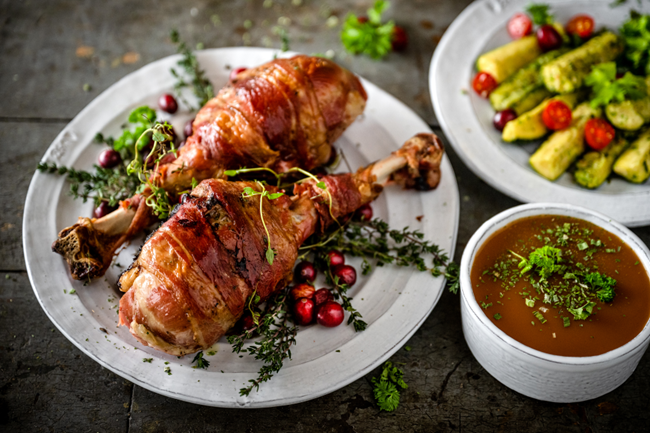
Let’s talk about slow burn fuel sources. If you think of food the same way you would say burning a fuel source (because that in effect is how our bodies work), you start to see things a little different. Let’s take gasoline (which is refined or “processed” fuel source, filling in for carbs), and compare it to a crude oil (standing in for protein). The gasoline is going to burn much hotter and faster, where the oil is going to burn less hot but for much longer. This is a great analogy to remember when thinking about what to eat for long sustainable energy. Protein also plays a very important role in helping to slow the digestion of carbohydrates (preventing rapid glucose spikes), aids in the building of muscle (which improves long term insulin sensitivity), and can leaves you feeling fuller longer (reducing the urge to constantly snack). It’s also worth noting that with ALL food, it is always quality over quantity. Think of the processed fuel analogy here as well. Processed foods are in affect already processed making them break down in the body faster. same applies here, so if you’re going to eat protein try and make sure that it’s lean, and not from a processed source (pre-packaged, pre-prepared foods). Remember if it isn’t something you’d find in nature, your body isn’t going to respond to it in the same way. Let’s take a look at some great options for lean proteins.
Meat/protein
- 4 oz boneless skinless chicken (20-30 grams)
- 4 oz ground beef (19-24 grams)
- 4 oz salmon (20-29 grams)
- 4 oz venison (25-35 grams)
- 4 oz duck (17-27 grams)
- 4 oz shrimp (20-30 grams)
- 4 oz beef steak (30-35 grams)
- 4 eggs (25-26 grams)
This is just a general overview to show you that it doesn’t take much to add in a good amount of protein to help balance a meal. You can cook just about any of these in a frying pan with olive oil, and then add fresh or frozen veggies to the pan drippings for a very quick, healthy and lean meal that your body will thank you for!
Plants/protein
- 4 oz (1/2 c) soaked or cooked pinto beans (7-9 grams)
- 4 oz (1/2 c) cooked lentils (9-10 grams)
- 4 oz (1/2 c) pumpkin seeds (21-37 grams)
- 4 oz (1/2 c) sunflower seeds (22-28 grams)
- 4 oz chia seeds (18-23 grams)
- 4 oz almonds (about 24 grams)
- 4 oz hazelnuts (about 16 grams)
All of these are great for snacks or adding a little extra protein to your meal. For instance you can add nuts, seeds, or beans to a salad for flavor, texture, and a protein boost. You can also cook up some bacon or burger with onions, garlic (or green onions if you have a sensitive stomach), and spices, then add dried or soaked beans and water and make a delicious and hardy soup to go with your salad or sandwich. (example) Navy Bean and Ham Soup Recipe. Plus, all of these are also rich in fiber, which is another great way to stabilize blood sugar levels!
Fiber
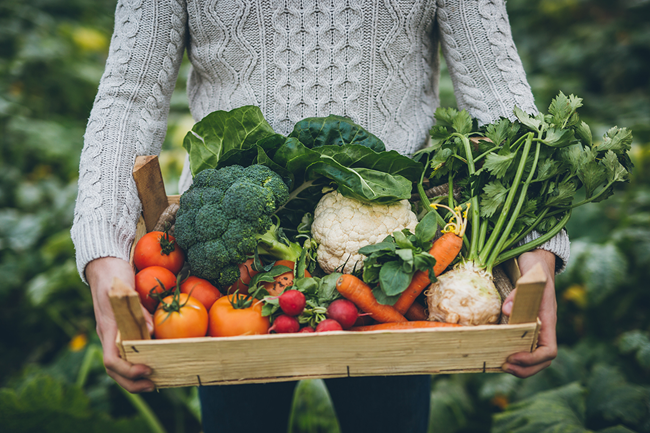
We already touched base on a couple great ways to add fiber above, but how does fiber really help us manage blood sugar? whether we’re talking about soluble or insoluble fiber, they both can help a great deal with managing blood sugar levels. Like protein, it slows the absorption of carbs, preventing major blood sugar spikes and helps you feel fuller longer, but it can also improve overall glucose control long term (which is great for weight loss). Fiber is also great for feeding all the microbes in our guts, which as you may have guest also plays a huge role in digestion, metabolism, and food cravings. Despite its tremendous importance to our health, it’s estimated that only around 5% of adults are getting the necessary amount of fiber needed in their daily diets. Let’s take a look at some great foods for adding in fiber.
| fiber rich foods | what to make |
| raspberries, blackberries, blueberries, strawberries | add to smoothies, pancakes, yogurt, salads, oatmeal, or rice |
| beans/lentils | add to salads, soups, make hummus or dips |
| nut/seeds | add to salads, snack on plain, with fruit or dark chocolate |
| winter squash, sweet potatoes | bake or steam as a side with dinner, cream into a soup, or add mashed to breads/pancake recipes! |
| broccoli, brussels sprouts, turnips | bake in the oven with spices, or Sautee in a pan with olive oil |
| green peas | can cook as a side or add to casseroles |
| leafy greens | Sautee with green onions, add to salads or soups |
Fats
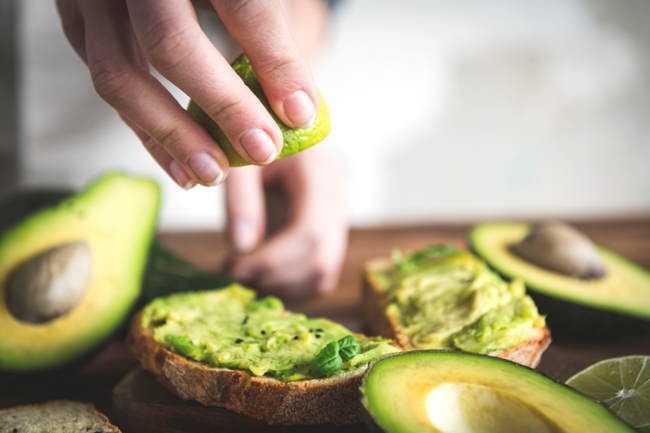
Healthy fats, one of the most overlooked ingredients for a healthy diet. Like both protein and fiber, they slow the digestion and absorption of carbs. This helps minimalizes blood sugar spikes, and they burn very slow which can help you feel full while giving you energy for longer periods of time. Healthy fats however are also known for having anti-inflammatory properties and can improve insulin sensitivity! Healthy fats are something that I always recommend for my clients that are constantly skipping breakfast. You can simply chop an avocado in half and eat it with a spoon, or add coconut oil/ghee to your morning coffee routine. For those that can’t stand it in your morning joe, you can also just eat a spoonful on your way out the door 🙂 This will give you more energy for longer and actually helps your body move into more of a ketosis state (meaning you start to burn fat). My clients also tell me that it helps lesson snacking until they can eat a full meal! Let’s take a look below at what healthy fats in your diet might look like.
- olive oil (extra virgin is best for cooking, I also like to add 1 tsp to my morning smoothie)
- coconut oil (has a high smoke point for cooking, but also great for baked goods, or adding to smoothies)
- ghee (also called clarified butter, is also great for cooking and adding to your morning cup of joe. Great replacement for people who are lactose intolerant)
- avocado (any way you want to eat them! On your morning toast is a great way to add some extra nutrition to the start of your day)
- nuts and seeds (note that these supply a good source of all three protein, fiber, and healthy fats, and are a wonderful snack replacement. Try eating about a 1/4 cup instead of chips or sweet treats. I also add these to my smoothies)
- fatty fish (trout, salmon, tuna, sardines etc.)
Hydration

Most of us know how important it is to hydrate, but for some reason that always seems to be the first thing we sacrifice in our busy schedules. This can happen for a lot of reasons, but I think the biggest is that instead of water, we’re reaching for coffee, energy drinks, soda, or even beer. This is one way out of many that we cope with being too tired, or just looking for an endorphin boost that those sweet drinks inevitably give us. The truth of the matter is, all we’re really doing is making ourselves feel more run down, tired, and sometimes even a little grouchy. The body needs proper hydration to maintain almost all of our fundamental functions like aiding in digestion, lubricating joints, keeping our blood hydrated so it can flow better and bring nutrients to our cells, it aids in our cognitive function, physical performance, mood, and it helps us to detox from all the bad things we’re putting into our bodies every day. I like to start my day off first thing with a large glass of water just to get everything flowing good before i even reach for my morning tea. Taking a large water bottle to work is also a great reminder to hydrate during the day. Let’s take a look at some other great ways to stay hydrated!
- Have a smoothie with cucumber or watermelon added
- Coconut water is an excellent pick me up with an electrolyte boost
- Try drinking at least one to two cups of herbal tea for a non-caffeinated warm drink that will help hydrate!
- Add some lemon, orange, or grapefruit juice to your water for flavor and added hydration + antioxidants
- Try mixes like LMNT in place of sodas. They taste amazing and will help feed your cells what they really need! LMNT Variety Pack | Zero Sugar Electrolytes | Paleo-Keto Friendly Hydration
- Or you can try swapping one cup of coffee or soda for a glass of water ever day (these little steps add up).
Exercise

For some, exercise can be a scary word, but our bodies were designed to move. Just taking a short walk after meals, even for just 2- 10 minutes (especially after big meals or a heavy dinner) helps to lower blood sugar by increasing glucose uptake into the muscles and using excess sugar in the blood for energy. It doesn’t have to be complicated so just remember to keep it simple, and that even the smallest changes to our everyday habits can have a massive impact on our health. For those looking for a little more to add to your movement menu consider these:
Resistance training can help stabilize and maintain blood sugar levels well after the work out is over by improving overall insulin sensitivity. It also can help you build not
only stronger muscles (which will increase your metabolic rate), but will also help to build stronger bones and cognitive function. Some examples of resistance training are:

➢ Free weights (dumbbells, barbells, kettlebells etc..) ➢ Pilates/yoga (use bodyweight, or bands/magic circle)
➢ Bodyweight (pushups, squats, planks, pull-ups etc..)
➢ Weight machines (like those at a gym)
Also any kind of straps or bands used during
Workouts count. You can start small, even just 5-10
Minutes a day!
Last but certainly not least SLEEP

Sleep is one of the most important things for our bodies, and yet one of the very first things we sacrifice to make time for other stuff. We always seem to think we can “catch up” on sleep, or that slight sleep deprivation on the regular is no big deal. The truth is it’s, the last thing that you want to be sacrificing. Especially when it comes to blood sugar, and weight loss. Here’s why:
when we lose sleep it
- elevates glucose levels
- increases ghrelin (hunger hormone)
- decreases leptin (fullness hormone)
- increases cortisol (stress hormone)
Benefits of a good night’s rest (7-9 hours)
- Helps us balance cortisol levels
- Helps balances insulin levels
- Helps balance ghrelin levels
- decreases insulin resistance
- All of which helps to regulate blood sugar throughout the day!
Looking above it’s not hard to see how losing sleep is really just setting yourself up for failure. So let’s take at least 30 minutes a night before bed to get away from work, our devices, and any heavy blue light emitting devices. During that time, you can have a cup of herbal tea, read a book or article in a magazine, journal about whatever is on your mind from the day, do a quick stretch so your more comfortable when you lay down, or even just listen to some music or nature sounds. The point is to give ourselves an environment where success is inevitable, instead of failure. In the event you are someone who suffers from occasional insomnia, I know how frustrating this can be. Some sure fire tips I use to help myself after a bad night sleep are:
- Drink extra water. When we don’t sleep our bodies miss one of the most active times for detox, not only in the body, but the mind as well. (Maybe even skip the extra cup of joe for an added glass or two of water. your body and cognition will thank you!)
- Make sure you get time in the natural daylight (this is good for circadian rhythms and waking you up by decreasing melatonin. Natural light can also help lower cortisol levels which can help you a lot throughout your day)
- Movement. Even a quick 10-minute workout or stretch can reduce cortisol levels, ghrelin, and helps us release endorphins which help with mood.
Get 1 on 1 coaching
Reach out today for guidance on your weight loss and health journey with Tranquility Life Health.